Jun Castelblanco-Zheng
Contemporary-Classical Pianist and Composer
Contemporary-Classical Pianist and Composer
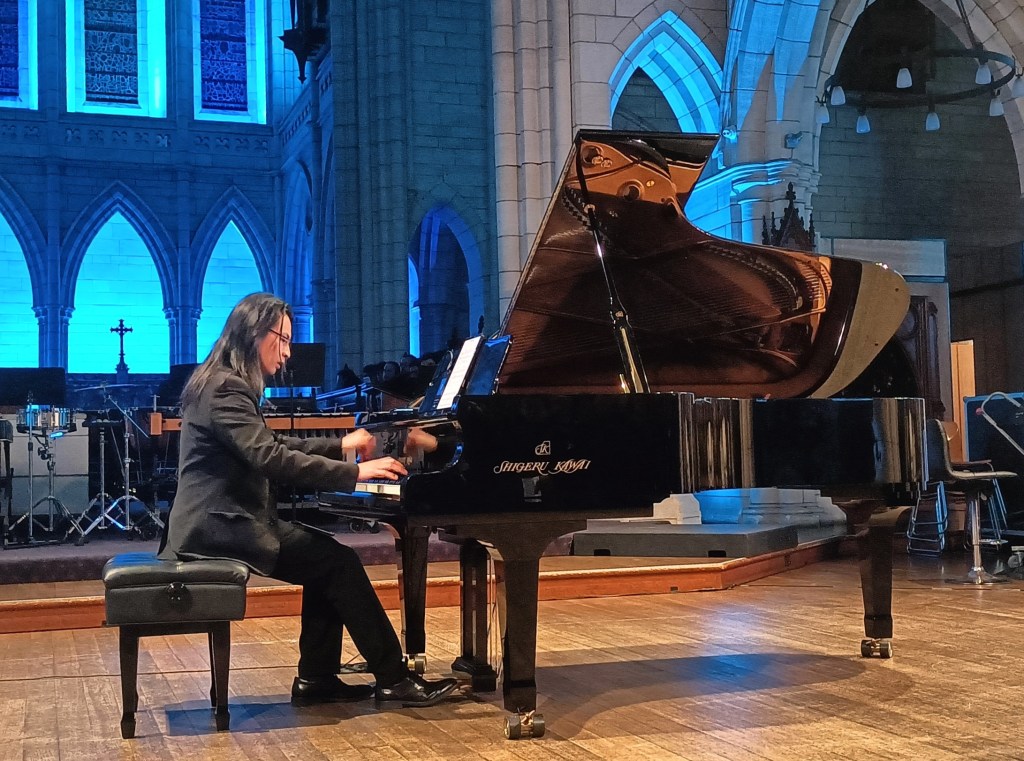
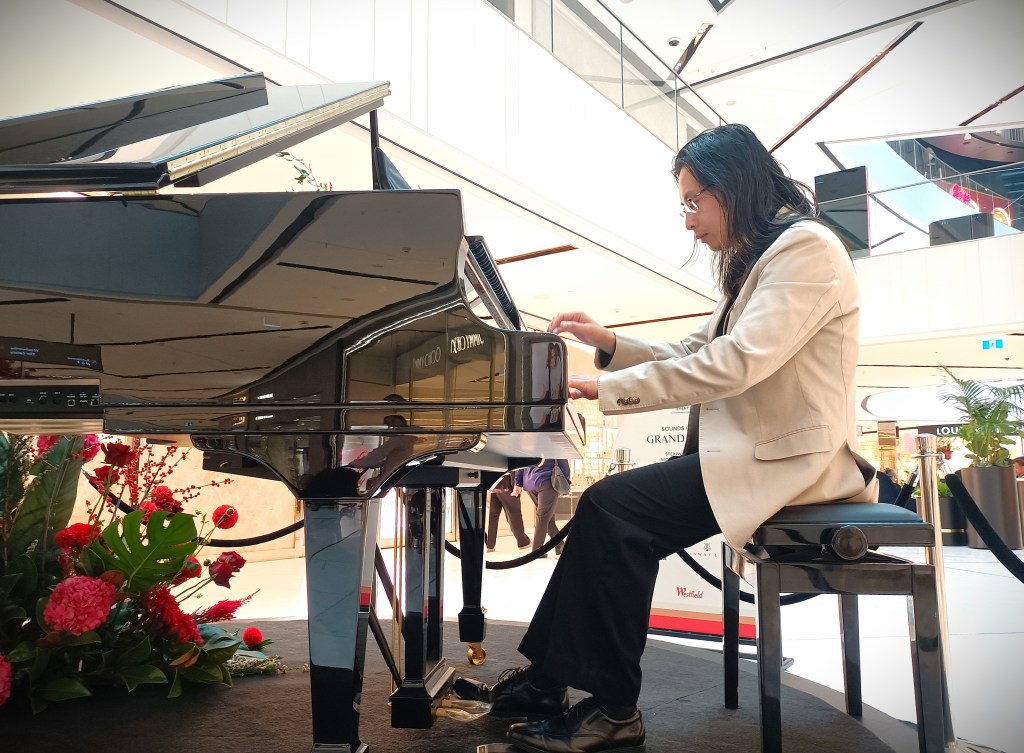
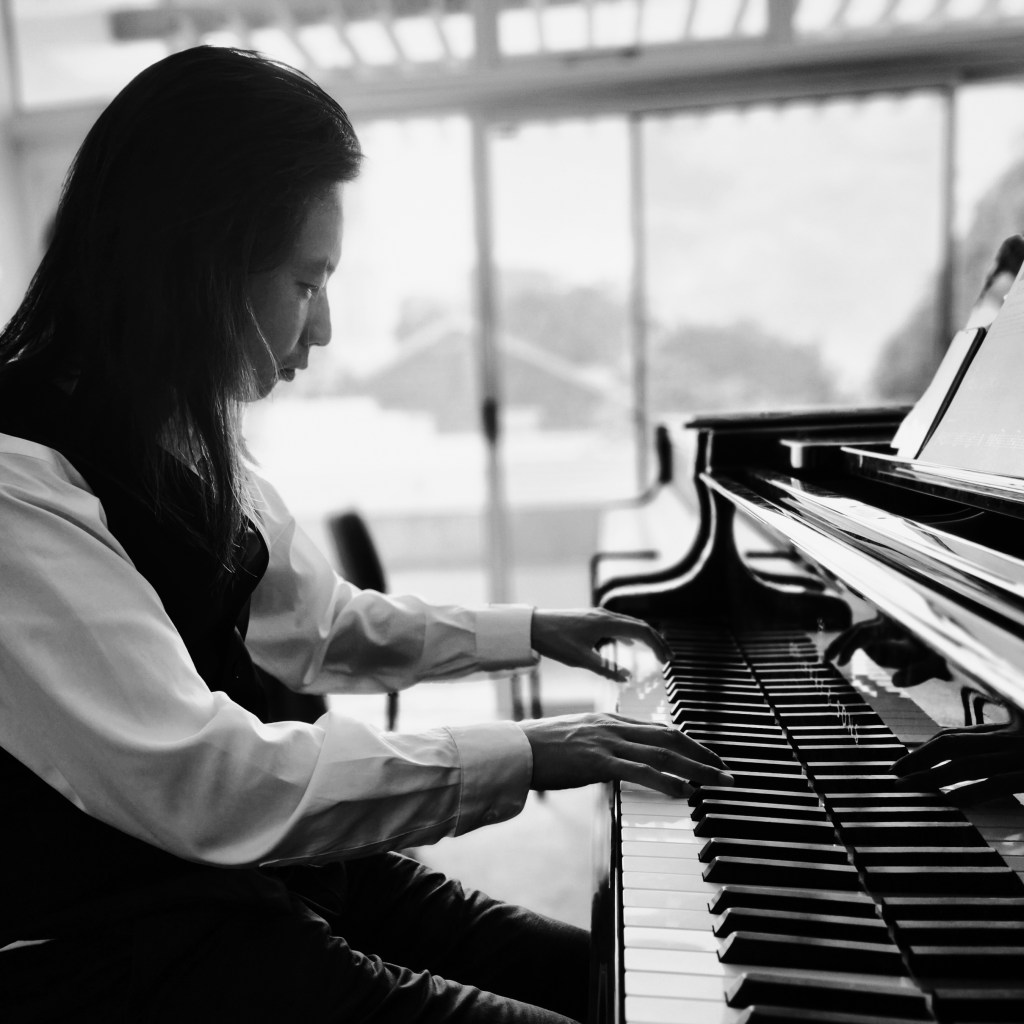
Listen here to Jun’s original composition Suite for Piano, performed by the composer himself.
This composition consists of four interlinked movements containing different characters that work together to take listeners through a deeply emotional journey. The first movement, Prelude, is a nod to the baroque style of writing for the keyboard, sustaining interest through melody and through harmonic progression. The second movement, Ostinato, is governed by a stubborn rhythm explores the growling and percussive capabilities of the instrument.
Heinrich Neuhaus observed that “since the basis of all audible music is singing and since piano literature is full of cantabile, the first and main concern of every pianist should be to acquire a deep, full, rich tone capable of any nuance, with all its countless gradations, vertically and horizontally”. Indeed, in the third movement, Aria, the pianist becomes not just the ‘singer’ following the melodic line throughout but also an orchestrator of different instrumental timbres as we first encounter the high, glockenspiel-like notes and the low, gong-like sounds of the modern piano.
Capriccio, Italian for ‘whimsy’, is the last movement of the suite. It emerges from the sonic haze of the previous movement and contains contrasting material that suggests the balance between feminine and masculine temperaments – harmoniously enriching each other by discovering delight, humility and strength through life experiences. The main theme is dance-like while the second theme is tender and like a lullaby. The third theme is expansive and perhaps represent dark clouds opening up after a storm. In the finale, the ‘lullaby’ theme returns briefly before a furious sprint leads the listener to the three final cathartic blows which exhorts any lingering dark energies.